
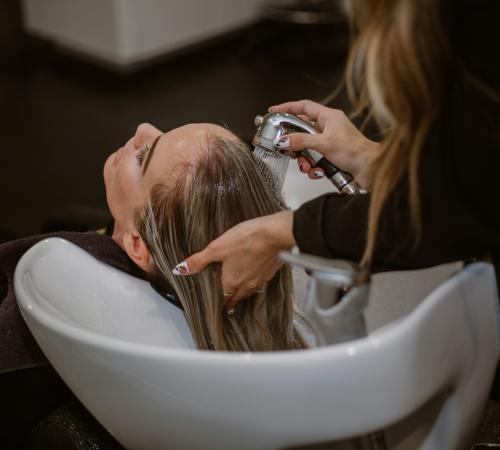
Hair loss is a common problem that affects millions of people around the world. It can happen to both men and women and can occur at any age. Losing some hair every day is normal, but extreme hair loss can cause concern/panic and affect a person's confidence. If we can understand the causes of hair loss and the ways to treat it, it can help people manage the problem effectively.
There are many reasons why hair loss happens. One of the most common causes is genetics. A condition called Androgenetic Alopecia, which basically means male and female hair loss patterns, causes hair to gradually thin over time. Hormonal changes can also lead to hair loss, especially during pregnancy, menopause, or due to thyroid problems. Poor nutrition is another important factor; a lack of essential nutrients such as iron, protein, and vitamins can weaken hair and lead to shedding, as well as smoking, as it can alter your blood and can increase stress.
Stress and illness can also trigger hair loss. A condition known as Telogen Effluvium can happen when physical or emotional stress pushes many hair follicles into the resting phase, causing noticeable hair loss. In addition, certain medical treatments, medications, or scalp infections can damage hair follicles and result in hair loss.
Fortunately, there are several ways to treat or manage hair loss. Improving diet is one of the simplest and most effective methods. Eating foods rich in protein, iron, zinc, and vitamins can help support healthy hair growth. Managing stress through exercise, good sleep, and relaxation techniques can also reduce hair shedding.
Medical treatments are available for more serious cases. Medications such as Minoxidil can stimulate hair growth and slow down hair loss. Another medication, Finasteride, is commonly used for men to reduce the effects of hormones that cause hair thinning. In advanced cases, procedures like hair transplant surgery can help restore hair permanently.
In conclusion, hair loss can be caused by many factors, including genetics, stress, hormonal changes, and poor nutrition. While it can be worrying, there are many treatments and lifestyle changes that can help reduce hair loss and encourage healthy hair growth. By understanding the causes and seeking proper treatment, people can manage hair loss and maintain their confidence.